

The lecture consisted of the idea of being able to back up your design choices by using data as a way of moving your design idea forward and justify the choices within your design idea.

When you do something in life, anything almost, it always have to be justified with an answer or a motive for your action. This goes hand in hand with design. In a world where analytics rules, design is becoming data-driven. Data forms the cornerstone a product development process; it can quickly inform development priorities for enhanced user experience, improved user satisfaction and increased adoption rates (Babich, N. 2017). In design, you often have to be held accountable for your design choices. When you want to argue about or defend a certain design, you could use data to back it up. Analyzing data could serve as a way of knowing which design to use , though you will need to be sure to have enough users in your user group to draw such conclusions.
A good example and exercise we used to practise this is using a tool such as Google Analytics to get data on how people that visit the site behaves, amongst other things.
Concepts Introduced:
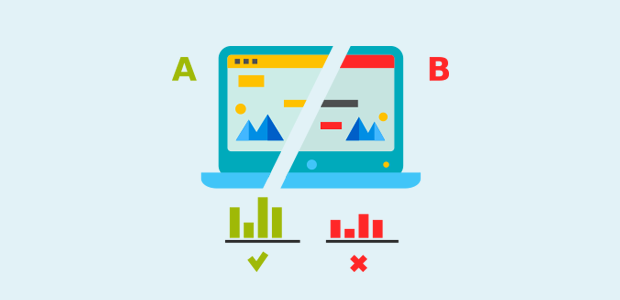
1. A/B Testing: Validating design decisions, proving. You compare two or more versions of a webpage, app, screen, surface or other digital experience to determine which one performs better.
2. Analytics: Using built-in programs or a third party service, such as Google Analytics. See conversion rates and user engagement to reveal whether a specific version had a neutral, positive, or negative effect. These improving tools are helping designers to make sense of data and provide insights for making better design decisions.
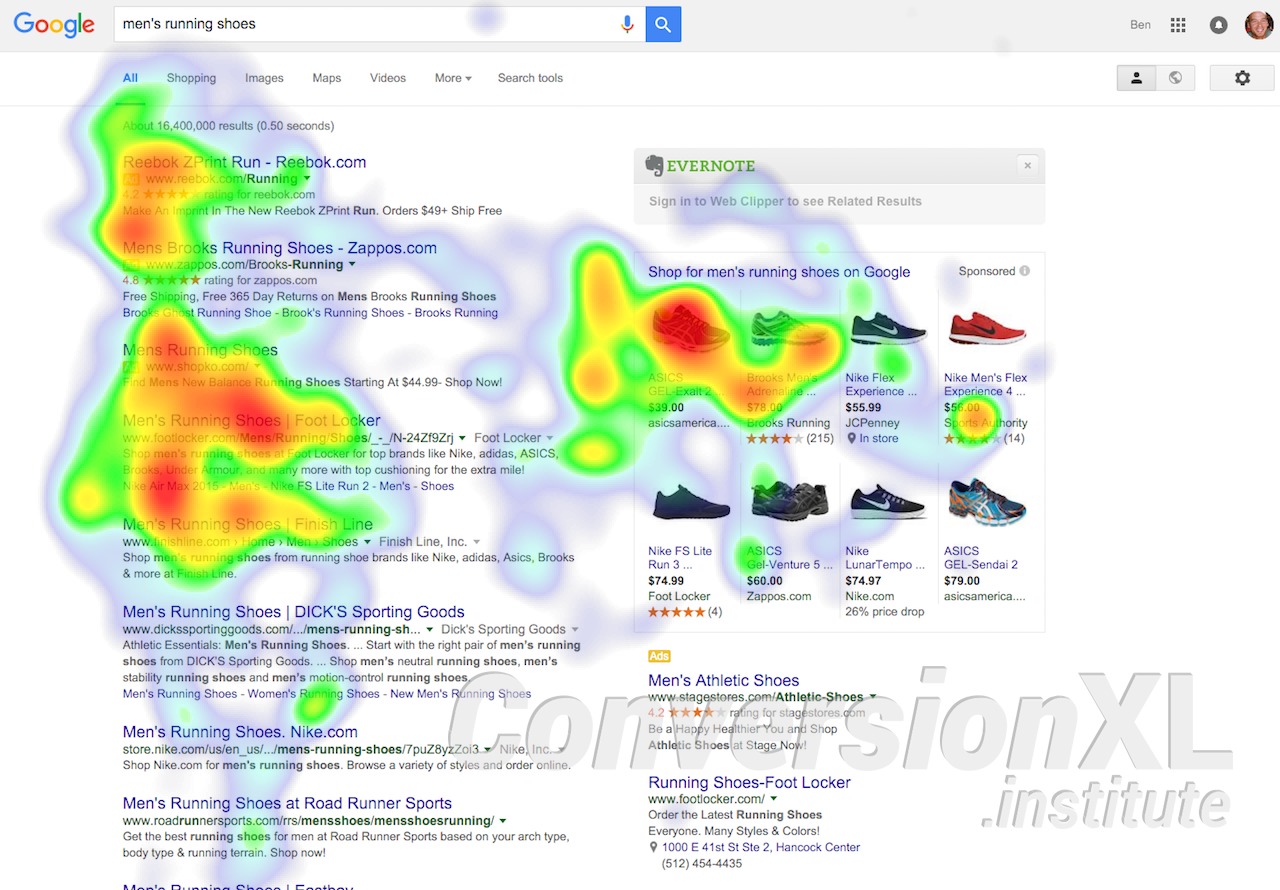
3. Technology Probes: Understanding the situation and understanding the situation & concept. Results help you improve campaigns, customer experience and conversion, and sharpen audience targeting.
Why use data?
We use data to create functional prototypes. Artefacts are usually always connected, they can be changed remotely without the user knowing. With digital products, you can keep developing and changing. We must also use data to validate and help navigate different visions.
Reflection:
The world is changing, and as designers, we have opportunities in front of us to rethink how to work with data, and how to drive meaning and insights from it. We should use these opportunities to make better design decisions, ultimately creating better prototypes to test and final products for users.


 Journal with me!